
Welcome To Chittoor District
Pre-historic sites, Megoliths, ancient cities, Forts and Temples placed the Chittoor Distirct at high place in Indian History. Large number of Temples were constructed in the district during Pallava, Chola and Vijayanagar Periods. Among these the most important are Vinayaka Temple – Kanipakam, Parasurameswara Temple – Gudimallam, Mogileswara Temple – Mogili, Kolandeswara Temple-Kattamanchi, Adityeswara Temple – Bokkisampalem, Neelakanteswara Temple – Laddigam, Anjaneya Temple – Arthagiri, Pallikondeswara Temple – Surutupalle, Gangamma Temple – Boyakonda, Lakshmi Narasimhaswamy Temple – Vepenjeri, Kodanda Rama and Eswara Temples – Chittoor, Kalikamba, Venugopal and Virupaksha Temples – Kangundi Fort, Chennakesava Temple – Sompalem etc. The hero stones in the district are larger in number when compared to other districts in Andhra Pradesh.
Religious Tourism
Varasiddhi Vinayaka Swamy Temple
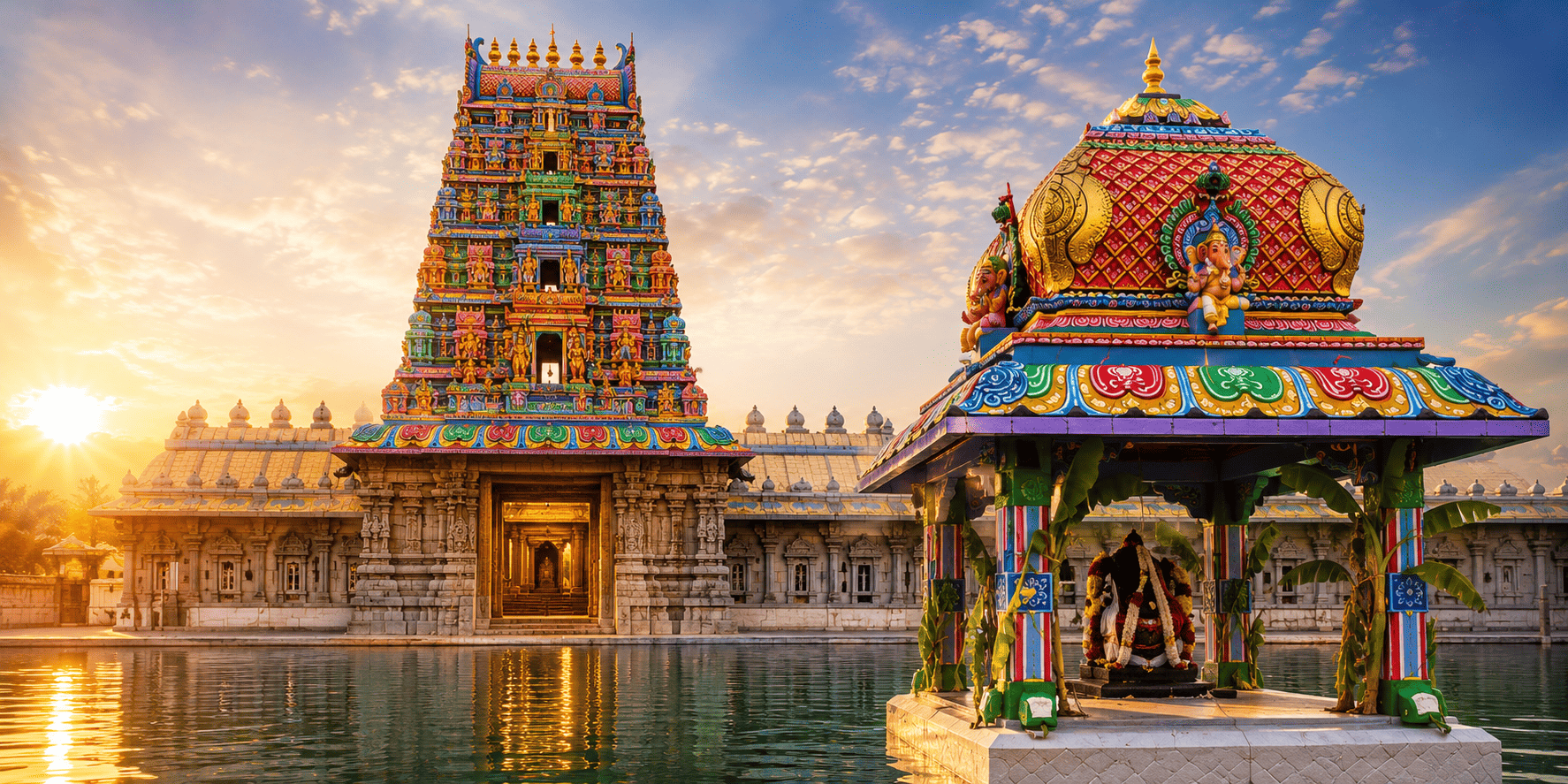
Vinayaka Temple or Sri Varasidhi Vinayaka Swamy Temple is a Hindu Temple of Ganesha. It is located at Kanipakam in Chittoor district of Anhra Pradesh. The temple is about 11 km from Chittoor and 68 km from Tirupati.According to legend, there were three brothers who were mute, deaf and blind.
They were digging a well to fetch water to their field. The device they were using fell into the well hitting hard object. When they dug further, blood started to gush out of the well and the three got rid of their disabilities. The villagers rushed to the spot and found deity of Ganesha. Villagers dug further, but they were not able to find the base of the deity. The deity sits in the well which is always full of water.
Annual Budget
Since Andhra Pradesh temple budgets are generally aligned with expected annual income, the temple’s annual operating budget is estimated to be in the range of ₹80–120 crore
Revenue
- The temple generated ₹61.89 crore in revenue during 2013–14, ranking among Andhra Pradesh’s highest-earning temples outside Tirumala.
- By 2021–22, its annual revenue had increased to approximately ₹100 crore, mainly from hundi offerings, sevas, donations, and prasadam sales.
Sri Mogileswara Swamy Temple
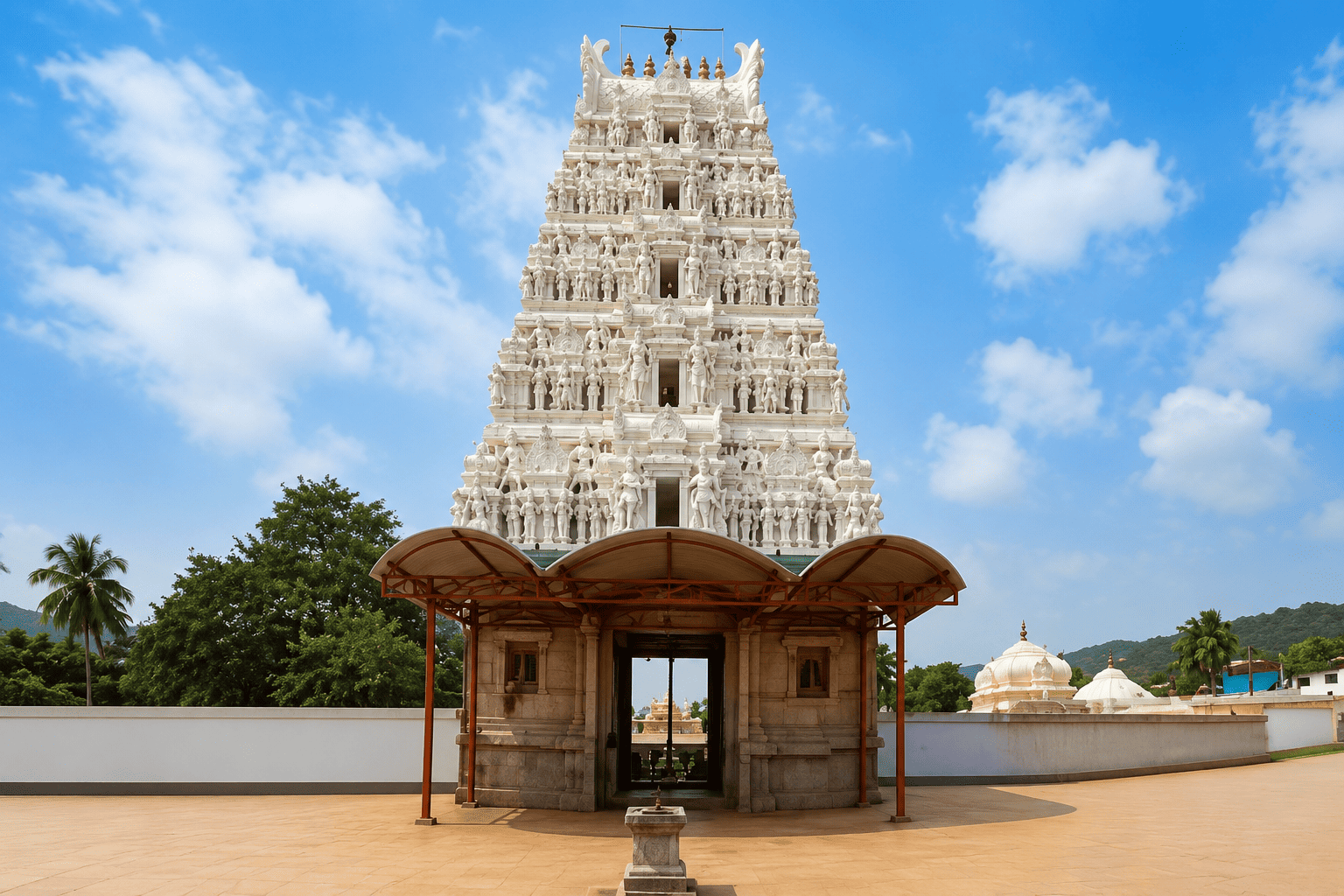
Mogileeswara Swami Temple in Mogili Village, which is having 3 Gopurams. A part from the main deity of the temple Lord Mogileeswara Swami. In this temple Dakshina Murthi, Vishnu and Brahma Deva idols are installed. The Trimurthis has to be seen in 3 sides of Garbhalaya a the time of “Pradakshinas”. Lord Dakshina Murthi situated in right side of Garbhalaya. Lord Vishnu situated in back side and Lord Brahma is in Left side.
This temple is popularly known as Dakshina Kailasam and has sculpture work. The presiding deity in this temple is of Lord Shiva that was founded by Mogilliappa and placed under Mogili tree. There will be a famous festival called Sivarathri which is celebrated in two weeks this festival comes in between February and march people comes from Andhra Pradesh, Tamil Nadu and Karnataka.
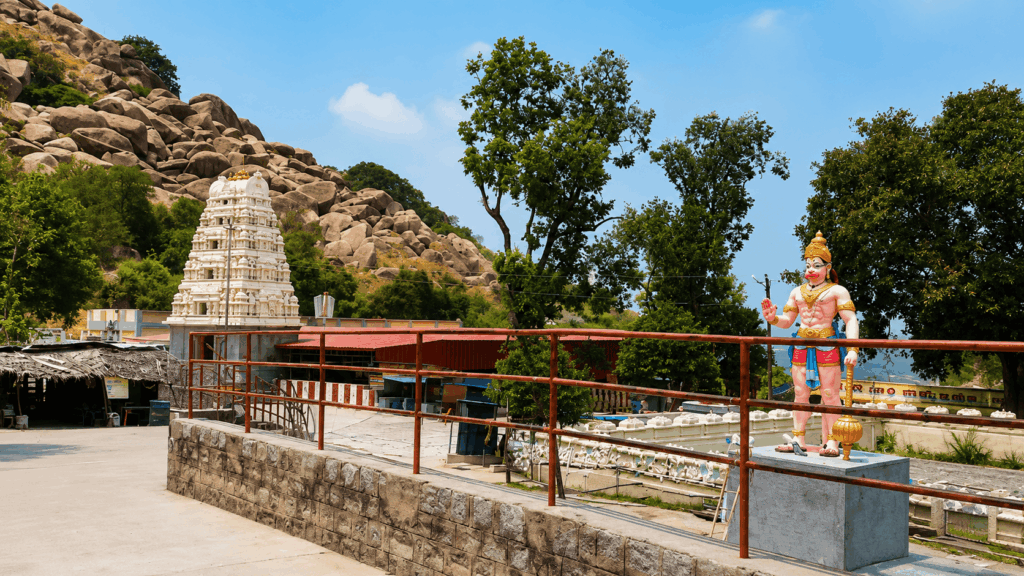
Ardhagiri Veeranjaneya Temple
The name Ardhagiri came from an incident related to Treta Yuga, when Lord Hanuman was trans- porting dronagiri Mountain (mountain that consists of herbs for life), in night time bharat brother of lord ram thought that some mountain is going to hurt; immediately he shot an arrow on hanuman. Due to its effect, half of the mountain fell down at this place and hence, the name Ardhagiri. In the local language, it means Half Mountain (Ardhra=half, giri=mountain). From then, people started worshipping hanuman in the name of Veera Anjaneya Swamy.
Based on the published seva and darshan charges, along with its regional pilgrim footfall, the temple’s annual revenue is generally considered to be modest , likely in the range of a few lakhs to a few crores of rupees per year.
Sri Lakshmi Narayana Swamy Temple
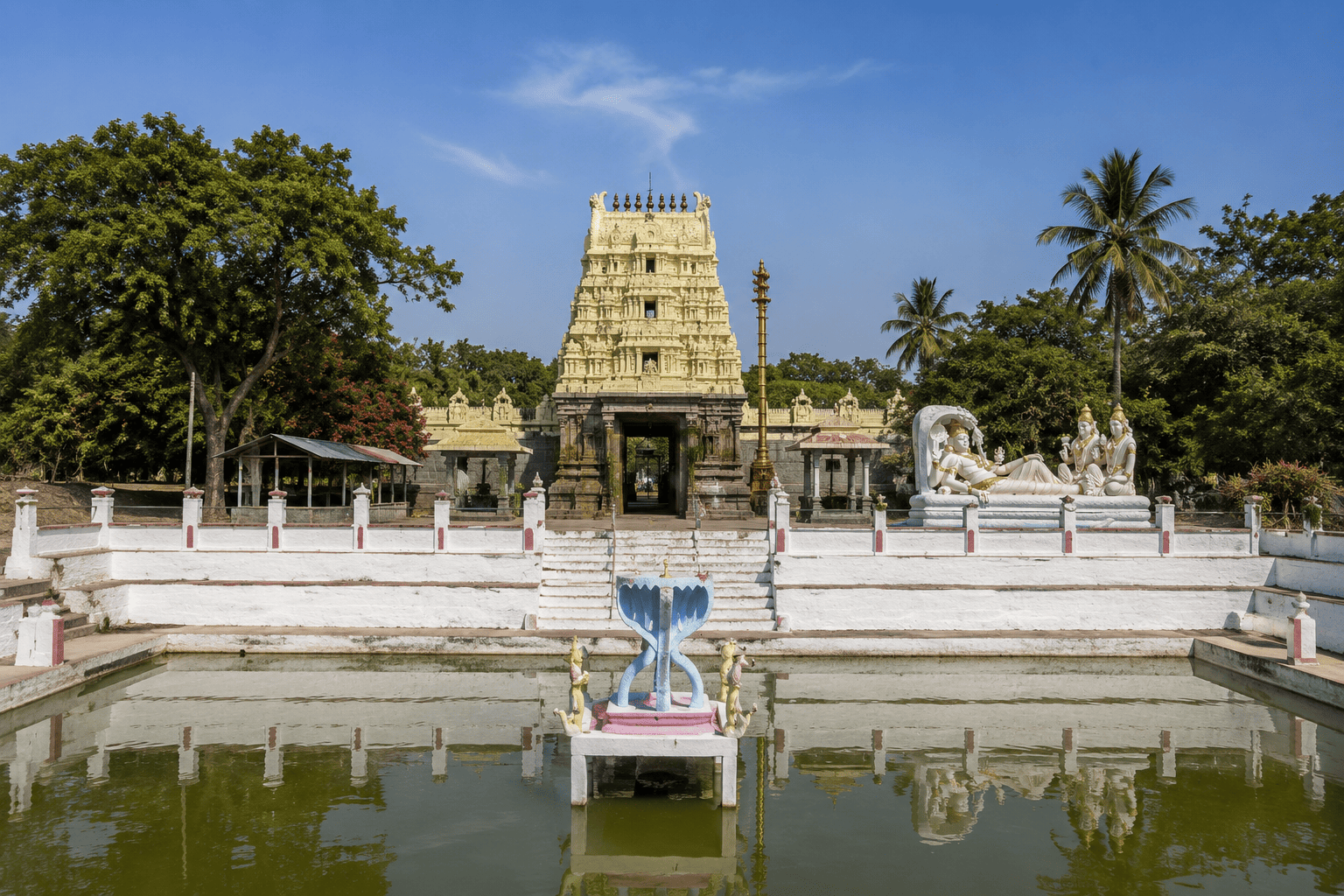
Sri Lakshmi Narayana Swamy Temple Vepanjeri is an ancient vaishnavite shrine. Here, Goddess Lakshmi sits on the left thigh and faces towards Lakshmi Narayana Swamy. Another interesting view, A statue near temple, which is of 21 feet tall, sculpted in a single stone depicted with the 10 incarnations of Lord Maha Vishnu. Interesting part of this temple is, that Asta Lakshmi Temples were built in a lotus structure, surrounding Lakshmi Naryana Swamy Temple and Kubera Lakshmi Temple.
Sri Lakshmi Narayana Swamy Temple is an ancient temple located about 15 km from Chittoor. Historical records indicate that endowments and properties were donated to the temple to support daily worship, abhishekams, and temple maintenance. The temple underwent renovation in 1986, after which regular rituals and Brahmotsavams have been conducted.
Bugga Agraharam Temple
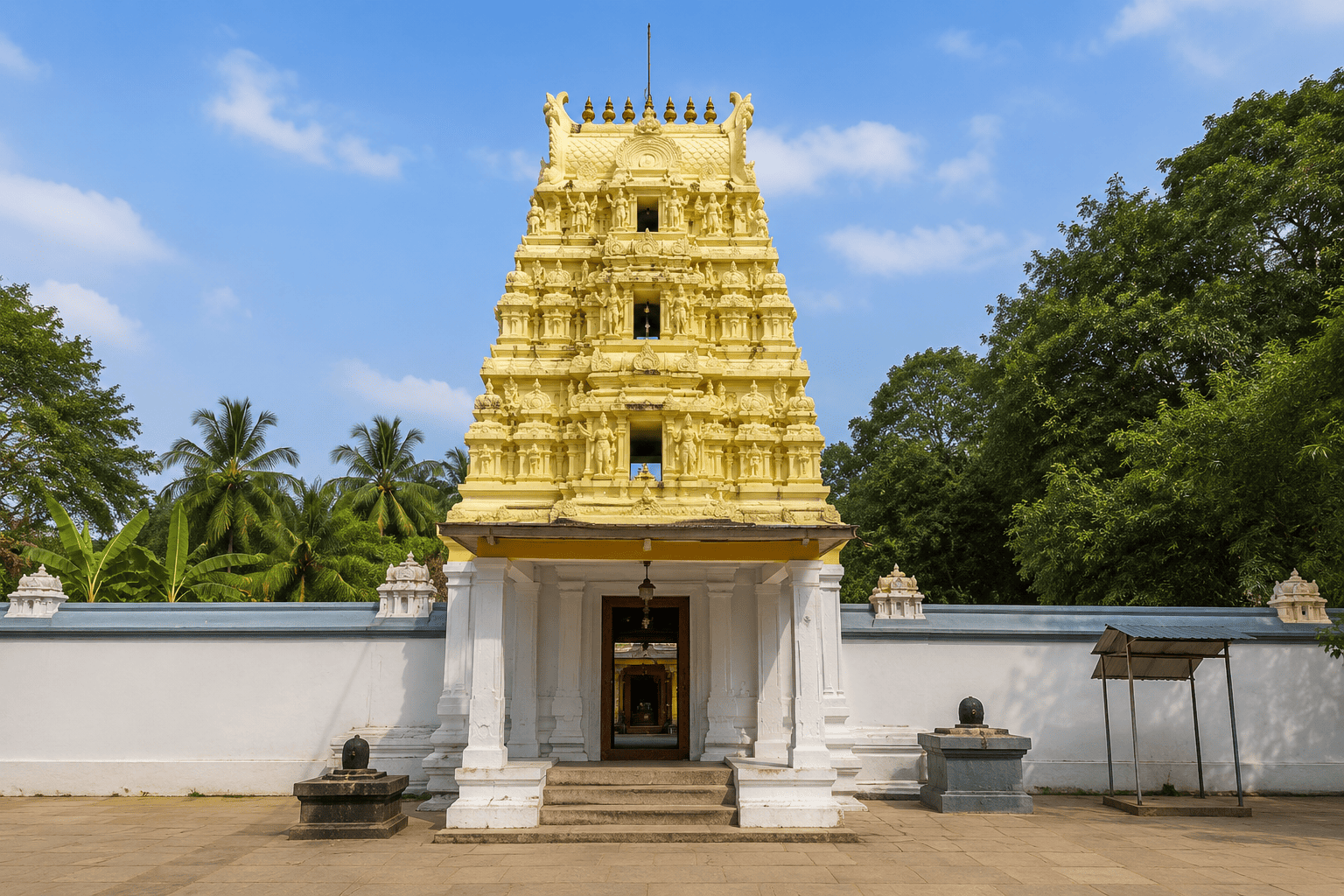
Sri Kasi Visweshara and Annapurneshwari Temple is located on the banks of Kusasthali river at Bugga Agraharam of Nagari Mandal, 56 Kms. from Tirupati. The main deity is Sri Kasi Visweshara Swamy, with consorts Sri Annapurna & Sri Kamakshi Devi. The origin of the water in the pit and the water passing through the channels is not known to anybody even today. There are small shrined constructed and dedicated to Lord Ganesha, Lord Kaalabhairava, Navagrahas and Naaga Kanyas (Sculptured twisted snakes etc.) also kept in the temple.
Based on the scale of the temple, local pilgrim traffic, festivals such as Maha Shivaratri and Karthika Masam, and comparison with similar medium-sized TTD-managed temples, the annual revenue is likely to be in the range of ₹20 lakh to ₹1 crore, though this is only an informed estimate and not an official figure.
Eco Tourism
Kaigal Water Falls
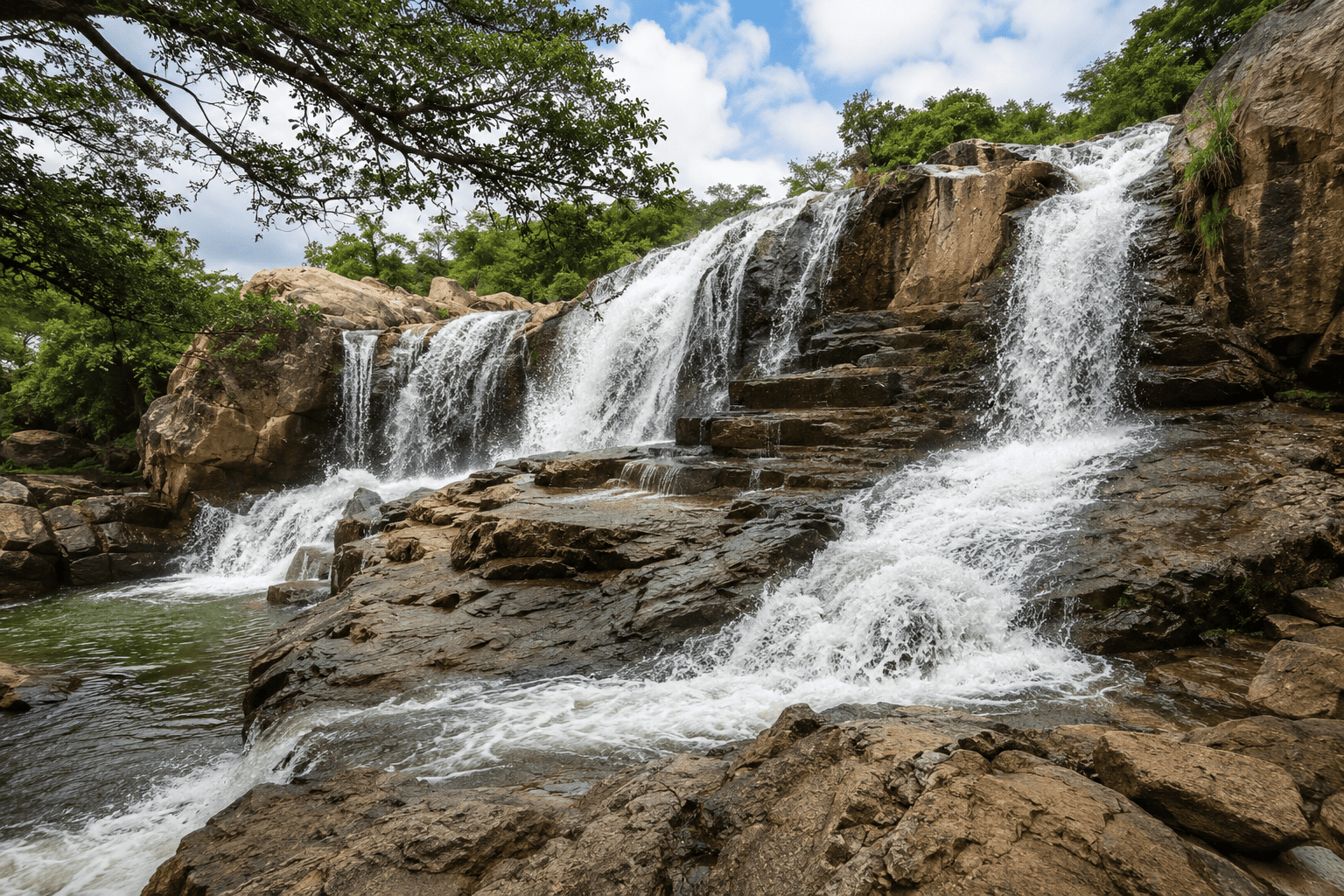
Kaigal Waterfalls is a scenic 40-foot waterfall in the Chittoor District, nestled within the Koundinya Wildlife Sanctuary. Formed by the Kaigal Stream, it is locally known as Dumukurallu Waterfalls, meaning “jumping stones” in Telugu. Located about 6 km from Baireddipalle and 80 km from Chittoor town, it attracts thousands of visitors from Andhra Pradesh, Karnataka, and Tamil Nadu every year.
Annual Budget: No separate public budget exists for Kaigal Water Falls. Its maintenance and conservation are supported by the Andhra Pradesh Forest Department and eco-tourism initiatives within the Koundinya Wildlife Sanctuary.
Annual Revenue: No separate revenue figures are publicly available; tourism income is typically included within broader sanctuary and regional tourism revenues.
Cultural Tourism
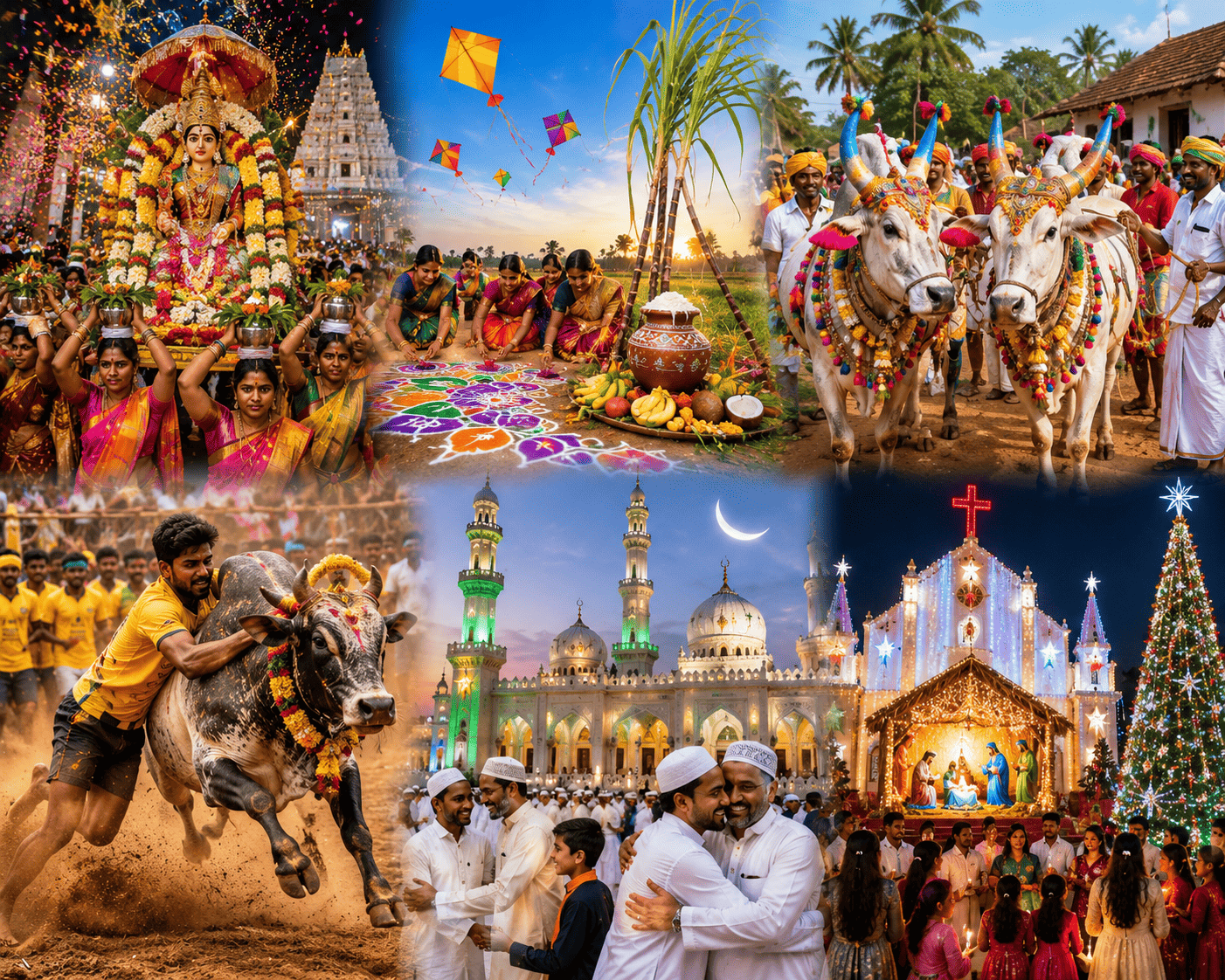
Chittoor district is known for the grand celebration of the Gangamma Jatara, commemorating the legend of Goddess Gangamma. Kanuma, celebrated during Sankranti, features decorated bulls paraded through the streets. Major festivals such as Ramzan, Bakrid, and Christmas are also widely observed, reflecting the district’s rich cultural diversity and communal harmony.
Makar Sankranti (14 January): Marks the Sun’s transition into Makara (Capricorn) and the beginning of Uttarayana. Unlike most Hindu festivals based on the lunar calendar, it is a solar event with a nearly fixed date.
Maha Vishuva Sankranti (14/15 April): Also known as Mesha Sankranti or Pana Sankranti, it marks the Oriya New Year and the Sun’s entry into Mesha (Aries). It is celebrated as Vaisakhi in many parts of India and commemorates the foundation of the Khalsa Panth.
Karka Sankranti (16 July): Marks the Sun’s transition into Karka (Cancer), signaling the end of Uttarayana and the beginning of Dakshinayana.